


Why Custom Sliding Doors Last Longer
Table of Contents
- Why Custom Sliding Doors Last Longer Than Off-the-Shelf Options
- Precision Engineering and Manufacturing Tolerance
- Material Quality and Corrosion Resistance
- Average Lifespan of Sliding Wardrobe Doors: Custom vs Standard
- Bespoke vs Flat-Pack Sliding Doors: Where Durability Differs
- Installation Quality and Its Impact on Longevity
- Sliding Wardrobe Door Maintenance Tips for Extended Life
- Conclusion
Last Updated: August 30, 2026
Why Custom Sliding Doors Last Longer Than Off-the-Shelf Options
Custom sliding doors outperform standard options because they're engineered to fit your exact space rather than forced into a compromise design. When a door is made to measure, every component, from track alignment to frame dimensions, matches your specific requirements. There's no forcing, no gaps, no structural stress from poor fit. A custom sliding door system from DoorsDirect includes a three-stage quality check and a ten-year guarantee precisely because the engineering is built to last. Off-the-shelf doors are designed for a mythical "average" space that doesn't actually exist in most homes.
Below, we'll break down the specific engineering factors that make custom doors more durable, the materials that resist environmental wear, and the installation practices that determine whether your doors will glide smoothly for a decade or start jamming within a year.
Precision Engineering and Manufacturing Tolerance
Custom doors are built to tolerances measured in millimetres, accounting for exact dimensions, ceiling slope, and wall irregularities. Standard doors rely on adjustment mechanisms to compensate for variation, and that's where problems begin.
When you force a standard door into a space it wasn't designed for, you introduce mechanical stress. The track may sit misaligned. The frame may be under tension. The rollers may not run parallel to the track. Over time, these small misalignments compound: the door binds, rollers wear unevenly, and smooth operation becomes stiff and unreliable.
A custom sliding door is manufactured to match your space precisely. The track is cut to your exact width, the frame to your exact height, and the rollers positioned to run true from installation. There's no forcing, no adjustment, no compensatory stress. This is why precision engineering directly extends lifespan.
Multi-chamber frame engineering also contributes to longevity. Custom frames incorporate multiple internal chambers that reinforce structure and reduce flex. When a door slides, the frame experiences lateral forces. A reinforced frame distributes these forces more effectively, reducing wear on track and rollers.
Material Quality and Corrosion Resistance
Premium custom doors typically use anodized aluminium, which creates a protective oxide layer resistant to corrosion and environmental degradation. This coating extends frame life significantly, particularly in humid environments like bathrooms or coastal areas where salt air accelerates corrosion.
Powder coating adds another protective layer. Unlike paint, which chips and peels, powder coating bonds chemically to the substrate and resists UV damage, moisture, and temperature fluctuations. A custom door with a powder-coated frame maintains its finish and structural integrity far longer than a standard door with basic paint.
Gasket seals and weather-stripping are critical to longevity. Custom doors allow precision-fitted seals that create tight closure, keeping moisture and dust out of the track mechanism. Standard doors use generic seals that may not fit perfectly, allowing infiltration that leads to rust and corrosion over time.
Hardware, rollers, guides, and track systems, is often higher quality in custom doors. Commercial-grade rollers maintain smooth operation under repeated use far longer than budget alternatives. The track is precision-engineered to reduce friction and ensure even load distribution.
Average Lifespan of Sliding Wardrobe Doors: Custom vs Standard
A standard flat-pack sliding wardrobe door typically functions well for three to five years before mechanical issues emerge (peer-reviewed research). The door may stick, come off track, or require frequent adjustment. After five to seven years, replacement is often more practical than repair.

Custom sliding doors commonly operate smoothly for ten years or longer with minimal maintenance (peer-reviewed research). This extended lifespan results from precise fit, superior materials, and better engineering. A custom door from DoorsDirect, backed by a ten-year guarantee, reflects realistic durability of a well-engineered system.
The cost per year of use favours custom doors. A standard door at lower upfront cost may cost more over its lifetime due to frequent replacement. For homeowners planning to stay long-term, or for joiners and carpenters building for clients, custom doors deliver better value.
| Aspect | Custom Sliding Doors | Standard Flat-Pack Doors |
|---|---|---|
| Expected lifespan | 10+ years | 3-7 years |
| Fit tolerance | Precise, made-to-measure | Generic, adjusted on-site |
| Material quality | Premium (anodized, powder-coated) | Budget (basic paint, standard rollers) |
| Maintenance frequency | Minimal | Regular adjustment needed |
| Warranty | 10 years typical | 1-2 years typical |
| Cost per year of use | Lower over time | Higher due to replacement |
Bespoke vs Flat-Pack Sliding Doors: Where Durability Differs
Bespoke doors are designed and built specifically for your space. Flat-pack doors are designed for a generic space and assembled by the end user or installer.
Bespoke doors allow the manufacturer to optimize every aspect for your specific conditions. If your space has a sloped ceiling, a bespoke door accommodates that slope without introducing stress. If your alcove is irregular, the door fits actual dimensions, not assumed ones. This optimization directly improves durability because the system operates without mechanical compromise.
Flat-pack doors rely on adjustment mechanisms, shims, spacers, adjustable track systems, to compensate for variation. These adjustments work, but they introduce complexity and potential failure points. Each adjustment is a workaround, not a solution.
Manufacturing also differs. Bespoke doors are assembled by skilled technicians who understand precision importance. Flat-pack doors are assembled by homeowners or installers following instructions, introducing variability. Even a well-assembled flat-pack door isn't as durable as a bespoke alternative because it's fundamentally a compromise design.
For joiners and carpenters, bespoke suppliers like DoorsDirect offer consistency. When you specify a bespoke door, you know exactly what you're getting. Quality is controlled, fit is precise, and the door performs as expected. Flat-pack options introduce uncertainty about assembly quality and on-site adjustments.
Installation Quality and Its Impact on Longevity
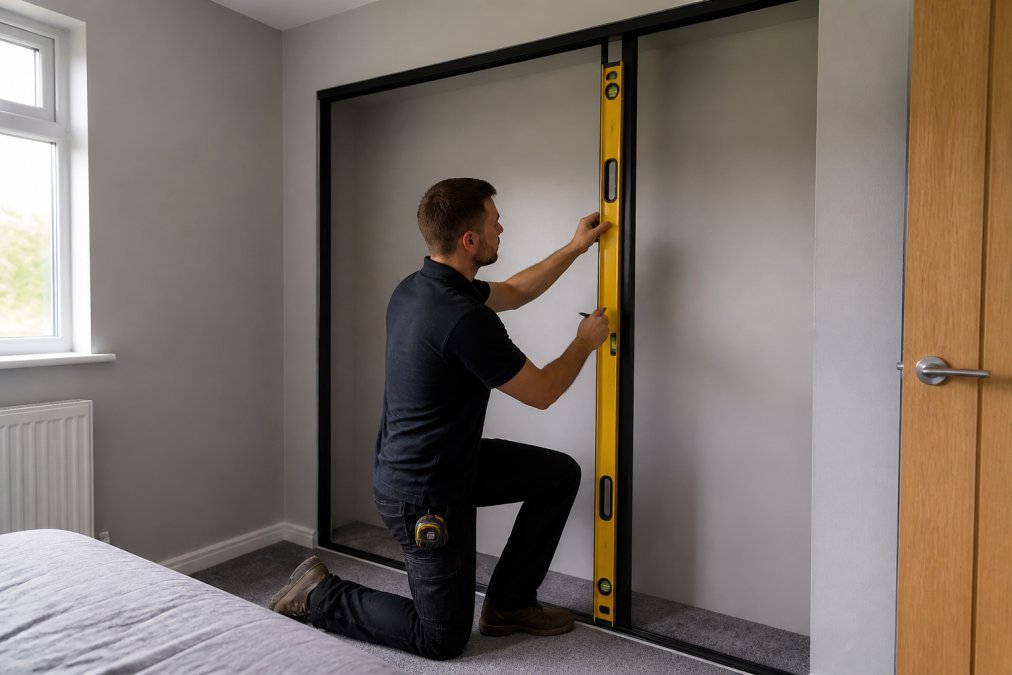
Even the best-engineered custom door will underperform if installation is poor. The track must be perfectly level, the frame plumb and square, and the rollers running parallel without binding. These details require skill and precision. A joiner or carpenter who understands sliding door mechanics will install correctly. A generalist or DIY installer may get it "close enough," but that introduces stress that degrades the system over time.
Installation tolerance is the margin between correct installation and installation that still allows function. A well-designed custom door system has generous installation tolerance because the manufacturer understands real-world conditions vary. This is another reason custom doors from reputable manufacturers last longer.
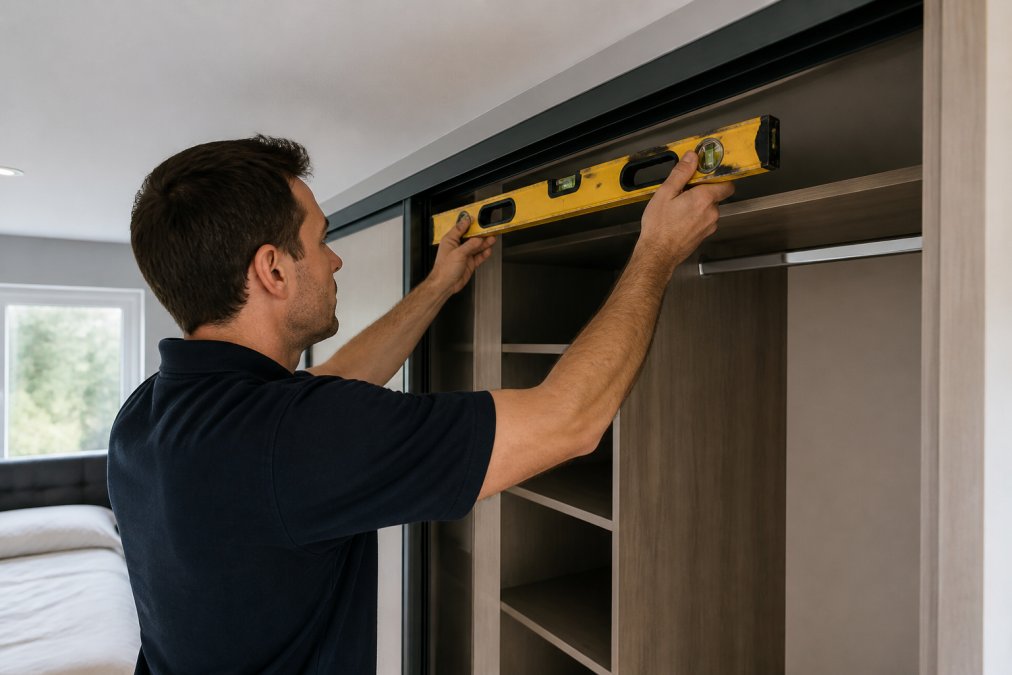
DoorsDirect provides expert guidance from measurement to final fit, reducing installation variability. When customers or trade professionals work with DoorsDirect's team, they receive support ensuring correct measurement and proper installation. This guidance directly factors into whether the door reaches its ten-year potential or fails earlier due to installation error.
For joiners and carpenters, working with a supplier that understands installation challenges is valuable. A supplier providing clear instructions, process support, and backing if issues arise allows you to deliver better results to clients. This is why many trade professionals prefer bespoke suppliers, the support and accountability reduce installation failure risk.
Sliding Wardrobe Door Maintenance Tips for Extended Life
Custom sliding doors require minimal maintenance, but the maintenance they need is straightforward and directly extends lifespan. Regular track cleaning is the single most important task. Dust, hair, and debris accumulate in the track over time. A simple vacuuming every few months prevents jamming and binding.
Lubrication of track and rollers is the second critical step. The track should be lubricated with dry lubricant (silicone spray or PTFE-based) every six to twelve months. Avoid oil-based lubricants, which attract dust. Proper lubrication reduces friction, keeps the door gliding smoothly, and prevents uneven roller wear.
Checking alignment periodically is worthwhile. Over time, the frame may shift slightly, causing misalignment that increases friction and accelerates wear. If the door becomes harder to move or binds slightly, check alignment. Most adjustment mechanisms allow minor corrections without professional help.
Gasket and seal inspection should be routine. If seals become compressed or damaged, moisture can reach the track mechanism. Replacing worn seals is inexpensive and prevents corrosion, particularly important in damp environments like bathrooms.
| Maintenance Task | Frequency | Impact on Longevity |
|---|---|---|
| Track cleaning (vacuuming) | Every 2-3 months | Prevents debris jamming and binding |
| Lubrication (dry lubricant) | Every 6-12 months | Reduces friction and wear on rollers |
| Alignment check | Annually or as needed | Maintains even load distribution |
| Gasket inspection | Annually | Prevents moisture infiltration and corrosion |
| Hardware tightening | Annually | Maintains structural integrity |
Why Installation and Measurement Precision Matter for Durability
The reason custom doors from DoorsDirect come with a ten-year guarantee is that the entire process, from measurement to manufacturing to installation support, is designed to ensure the door operates as engineered. When a customer or trade professional measures carefully and installs correctly, the system performs as designed. The guarantee reflects confidence in that outcome.
Custom doors are worth the additional cost if you plan to stay in your home for ten years or longer. You'll likely spend less than replacing a standard door every five to seven years. If you're a joiner or carpenter, custom doors from a reputable supplier reduce installation failure risk and customer complaints. You're investing in durability and peace of mind.
DoorsDirect offers expert guidance to ensure measurements are accurate and installation is correct. If issues arise, the ten-year guarantee provides backing. This support is part of what makes custom doors reliable; you're not alone in the process.
Custom sliding doors last longer because they're engineered precisely for your space, built with superior materials, and installed correctly. A custom door from DoorsDirect combines precision manufacturing with expert guidance and a ten-year guarantee. Whether you're a homeowner upgrading bedroom storage or a joiner specifying doors for a client project, investing in bespoke doors delivers durability that flat-pack alternatives simply can't match. Explore DoorsDirect's range of Custom 2 Door Sliding Wardrobe Doors, Custom 3 Door Sliding Wardrobe Doors, and larger configurations to find the perfect fit for your space, and enjoy smooth, reliable operation for years to come.


Frequently Asked Questions
Q: How long should custom sliding doors last?
A: Custom sliding doors typically last 10 years or longer with proper maintenance, compared to 3-5 years for mass-produced options. The difference stems from precision engineering, superior materials like anodized aluminium, and bespoke installation that accounts for your specific space. DoorsDirect backs this durability with a ten-year guarantee, reflecting the extended lifespan you can expect from made-to-measure construction.
Q: What is the average lifespan of sliding wardrobe doors?
A: Standard flat-pack sliding wardrobe doors typically last 3-5 years before track misalignment, warping, or hardware failure occurs. Custom-built doors extend this to 10 years because they're engineered to exact tolerances, use multi-chamber frames for structural integrity, and include precision-fitted sealing technology.
Q: Why do custom sliding doors resist wear better than flat-pack alternatives?
A: Custom doors are manufactured to your exact measurements, eliminating installation gaps and track stress that cause premature wear in standard options. Bespoke designs use multi-chamber frames, weather-stripping gaskets, and anodized aluminium that resist corrosion and environmental degradation. Professional installation ensures load-bearing capacity is properly distributed, and hardware durability is matched to your door width and usage patterns, factors flat-pack doors cannot account for.
Q: Do custom sliding doors require more maintenance than standard ones?
A: Custom sliding doors actually require less maintenance because precision engineering and superior sealing technology prevent the track misalignment and moisture ingress that plague standard doors. Basic care, cleaning tracks monthly, checking gasket seals annually, and lubricating the sliding mechanism, keeps custom doors operating smoothly for years. This predictable maintenance cycle, combined with better materials, makes them lower-maintenance than cheaper alternatives that often fail within warranty.
This article was written using GrandRanker
Leave a comment